Computing Systems in Japan Overview
Japan’s technological landscape is widely recognized for its precision and resilience, and this is especially visible in the evolution of computing systems that support both public and private sectors. In this context, computing systems form the backbone of national infrastructure, where network solutions ensure stable communication between distributed environments. Within such ecosystems, data processing plays a critical role in transforming raw information into usable insights, while automation technology continuously improves operational efficiency. Ongoing digital research contributes to understanding emerging trends, and system reports provide structured evaluations of performance across various domains. Together, computing systems, network solutions, data processing, automation technology, digital research, and system reports define a consistent framework for analyzing Japan’s digital foundation.
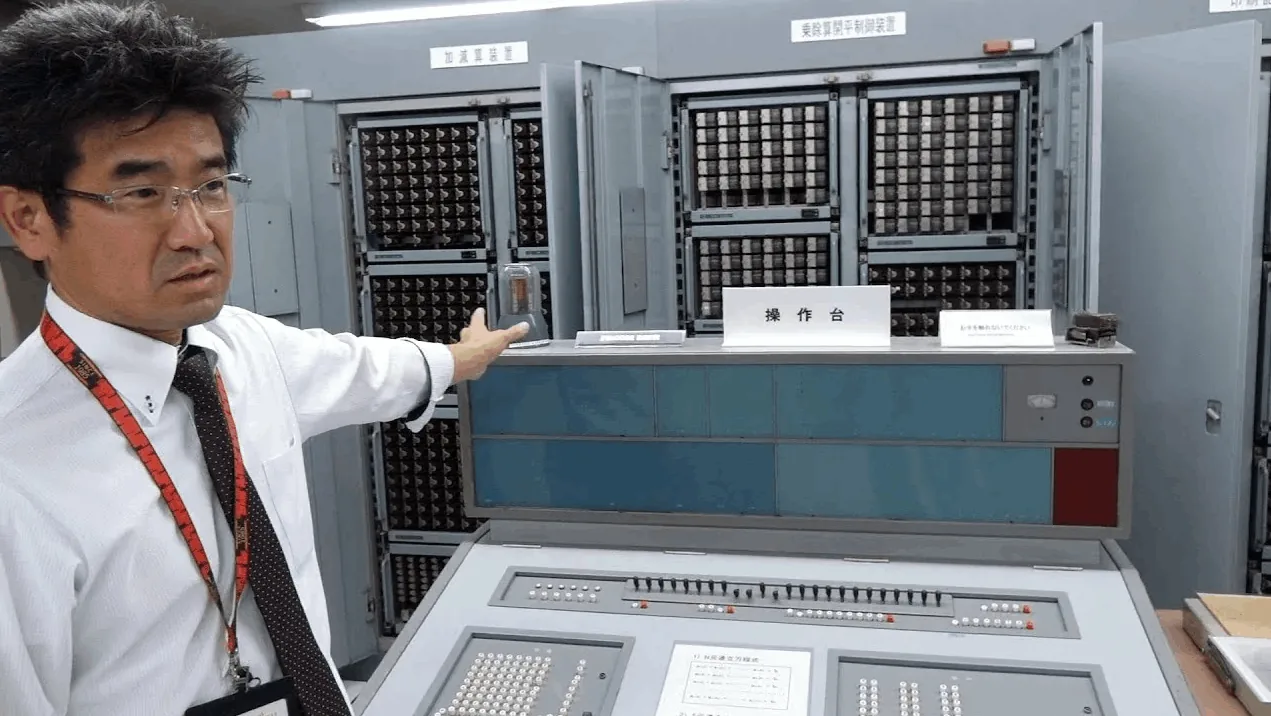
The historical development of computing systems in Japan reflects a gradual transition from isolated machines to highly interconnected architectures. Early computing systems were primarily focused on localized tasks, but over time they evolved into complex structures supported by advanced network solutions that enabled broader integration. As data processing capabilities expanded, organizations began to rely more heavily on scalable infrastructures capable of handling large volumes of information. Automation technology further accelerated this shift by reducing manual intervention in repetitive processes. Digital research conducted by academic institutions and industry groups has documented these transitions in detail, while system reports have provided structured documentation of technological milestones and performance improvements across generations of computing systems.
In modern industries, computing systems are deeply embedded in operational workflows across manufacturing, finance, and logistics. Network solutions are essential for maintaining connectivity between distributed systems, ensuring that data processing tasks can be executed efficiently across multiple nodes. Automation technology is increasingly deployed to optimize production lines and reduce latency in decision-making processes. Digital research continues to explore new methods of improving system interoperability and resilience, while system reports help organizations evaluate efficiency and reliability metrics. In this environment, computing systems serve as the foundation for innovation, supported by evolving network solutions, advanced data processing frameworks, and adaptive automation technology informed by continuous digital research and validated through system reports.
Academic and research institutions in Japan contribute significantly to the advancement of computing systems through experimental models and theoretical studies. These environments heavily rely on network solutions to connect laboratories and enable collaborative work across regions. Data processing techniques are continuously refined to support large-scale simulations and analytical experiments. Automation technology is frequently studied as a means of improving research efficiency and reducing operational complexity. Digital research initiatives explore both foundational and applied aspects of computing systems, while system reports document experimental outcomes and performance benchmarks. This integrated approach ensures that computing systems development remains aligned with global technological standards, supported by network solutions, data processing methodologies, automation technology advancements, and structured system reports.
As Japan continues to advance its digital ecosystem, computing systems will remain central to national and industrial progress. Future developments in network solutions are expected to further enhance connectivity and scalability, while innovations in data processing will enable faster and more accurate information handling. Automation technology will likely play an even greater role in optimizing complex environments, reducing human intervention while increasing efficiency. Digital research will continue to guide these advancements by identifying emerging patterns and opportunities for improvement. System reports will remain essential for evaluating progress and ensuring transparency. Ultimately, computing systems, supported by evolving network solutions, advanced data processing, intelligent automation technology, continuous digital research, and comprehensive system reports, will define the next stage of Japan’s technological evolution.