This blog explores computing systems and their role in modern Japan, focusing on network solutions, data processing, automation technology, digital research, and system reports to provide neutral, structured insights into evolving digital landscapes.
We operate as an independent informational blog based in Japan focusing on computing systems. Our publications examine network solutions across modern infrastructures while also reflecting on data processing methodologies used in academic and industrial contexts. We also explore automation technology trends shaping efficiency in distributed environments. Through digital research we analyze developments in open standards and interoperability. Our publications often reference system reports to maintain clarity and structured insight.
The goal is to connect theoretical computing systems discussions with practical network solutions examples. We emphasize data processing pipelines and automation technology adoption in various sectors. Continuous digital research helps us interpret system reports and evolving computing systems landscapes while maintaining neutrality. Network solutions remain a core topic alongside data processing and automation technology, supported by digital research and system reports reviews.
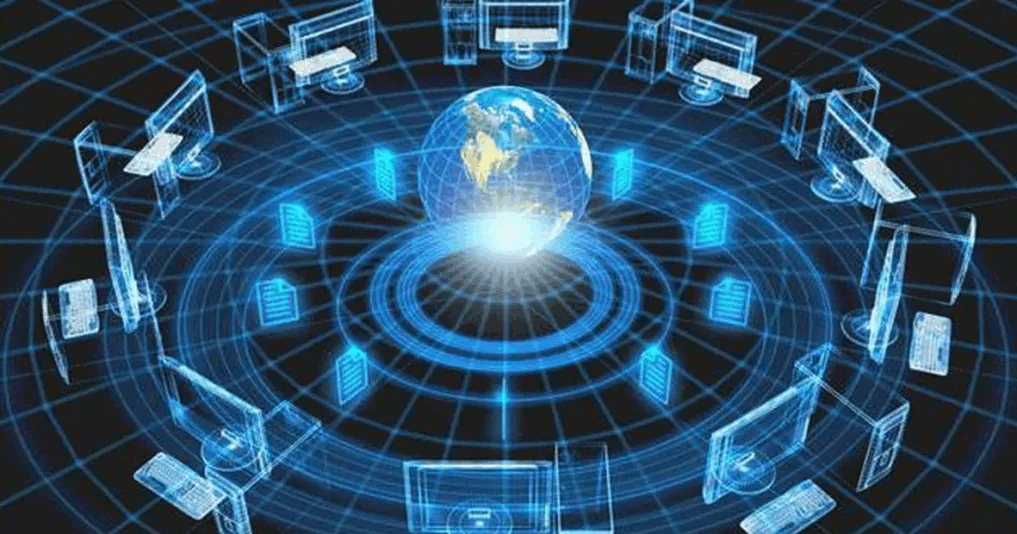
Our informational structure emphasizes computing systems analysis across Japan, integrating network solutions perspectives with data processing insights. We maintain focus on automation technology developments while applying digital research methods to interpret trends. System reports are used to validate observations, ensuring consistency. This approach allows balanced coverage of computing systems and network solutions, supported by data processing evaluation, automation technology review, digital research, and system reports interpretation.
We provide comparative views on computing systems evolution and network solutions architecture, with emphasis on data processing performance in modern environments. Automation technology is assessed in relation to scalability challenges. Digital research supports structured understanding, while system reports contribute verified context. Our analysis bridges computing systems theory with practical network solutions, integrating data processing methods, automation technology assessment, digital research insights, and system reports review.
We focus on long-term observation of computing systems and network solutions across research domains in Japan, highlighting data processing efficiency and automation technology adoption. Digital research methods guide interpretation of complex infrastructures, while system reports provide reference points. This enables consistent evaluation of computing systems behavior, network solutions design, data processing pipelines, automation technology trends, supported by digital research and system reports.
Our mission is to observe and document computing systems evolution in Japan, where network solutions continue to diversify across academic and industrial fields. We aim to provide neutral perspectives on data processing architectures and their long-term reliability. Automation technology is analyzed in relation to scalability and resilience in modern infrastructures. Through continuous digital research, we compile structured interpretations of emerging trends.
System reports are referenced to ensure transparency and consistency in understanding technological changes. Our mission connects computing systems theory with practical network solutions, while also evaluating data processing efficiency. Automation technology is discussed as part of broader ecosystem shifts, supported by digital research and validated through system reports. We remain neutral observers of computing systems development, highlighting network solutions innovation and data processing methods alongside automation technology progress, guided by digital research and system reports.
Japan’s technological landscape is widely recognized for its precision and resilience, and this is especially visible in the evolution of computing systems that support both public and private sectors. In this context, computing systems form the backbone of national infrastructure, where network solutions ensure stable communication between distributed environments.
The evolution of network solutions in Japan has been closely tied to the development of computing systems that support both industrial and research environments. Early architectures were limited in scope, but they laid the foundation for modern infrastructures where computing systems operate in highly interconnected ecosystems.
Automation technology in modern infrastructure in Japan is deeply connected with the continuous development of computing systems that support national and industrial environments. Within these ecosystems, network solutions ensure stable communication between distributed components, allowing data processing to function efficiently across multiple layers.
Data processing and system reports play a fundamental role in shaping modern computing systems in Japan, where digital infrastructure is built on precision, scalability, and continuous evaluation. Within this environment, network solutions provide the communication layer that enables distributed computing systems to exchange and synchronize information efficiently.
We began as a small informational initiative in Japan focused on computing systems documentation. Early content centered on network solutions used in academic environments and experimental infrastructures. Over time, our scope expanded to include data processing techniques and the rise of automation technology in distributed computing. Digital research became a structured practice for analyzing technological evolution.
System reports were gradually incorporated to provide consistent references and improve clarity. As computing systems became more interconnected, we broadened coverage of network solutions and data processing workflows. Automation technology discussions increased as new tools emerged. Today, our platform continues to emphasize digital research and system reports while reflecting on computing systems trends and network solutions developments, along with ongoing analysis of data processing and automation technology integration.
6-chōme-23-12 Hongō, Bunkyo City, Tokyo 113-0033, Japan