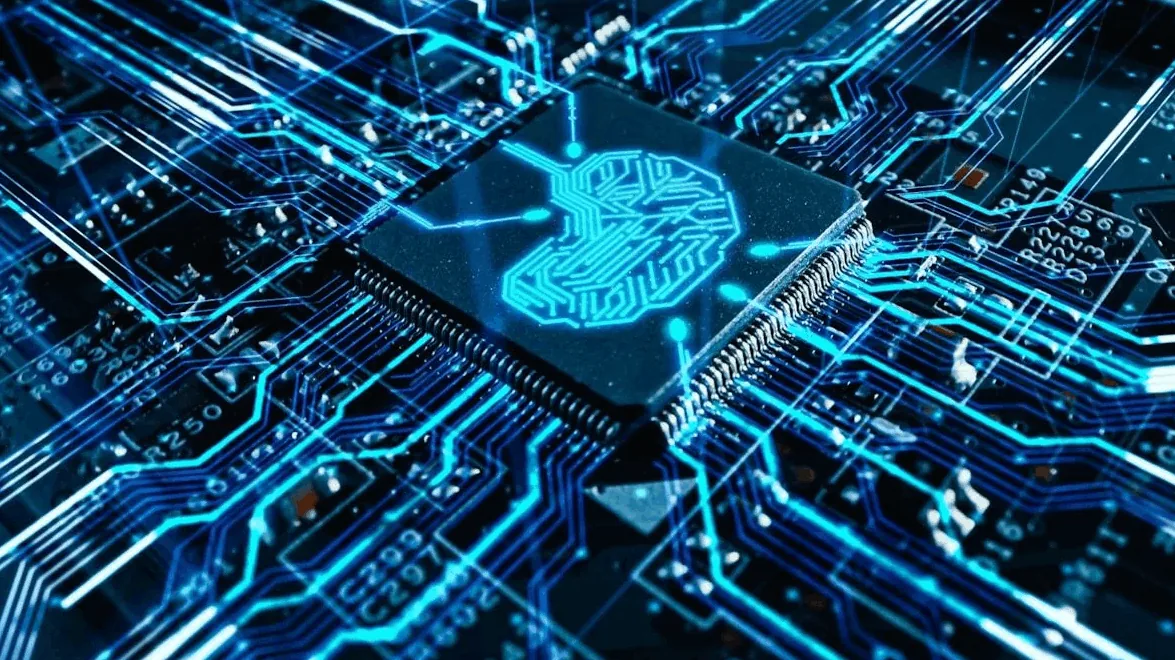
Evolution of Network Solutions
The evolution of network solutions in Japan has been closely tied to the development of computing systems that support both industrial and research environments. Early architectures were limited in scope, but they laid the foundation for modern infrastructures where computing systems operate in highly interconnected ecosystems. As these systems expanded, the need for efficient data processing became increasingly important, enabling organizations to manage larger and more complex information flows. Within this progression, automation technology began to reshape how networks were maintained and optimized, while digital research provided continuous insight into improving scalability. System reports from various sectors documented these changes, offering structured evaluations of how network solutions adapted alongside computing systems in Japan.
As network solutions matured, Japan saw a shift from isolated communication frameworks to integrated platforms capable of supporting nationwide connectivity. This transformation was driven by advancements in computing systems that allowed for distributed processing and real-time coordination. Data processing capabilities became more sophisticated, enabling faster transmission and interpretation of information across nodes. Automation technology played a key role in reducing manual configuration of network environments, improving both reliability and efficiency. Digital research contributed to this evolution by exploring new protocols and architectures, while system reports helped track performance improvements and identify optimization opportunities within evolving network solutions.
In enterprise environments, modern network solutions are deeply embedded within computing systems that support critical operations. Financial institutions, manufacturing plants, and logistics networks all depend on stable infrastructure where data processing occurs continuously across distributed systems. Automation technology ensures that these environments remain adaptive, reducing downtime and enhancing responsiveness. Digital research is frequently used to test new configurations and improve interoperability between systems. System reports provide essential feedback loops that help organizations refine their network solutions strategies, ensuring that computing systems remain efficient and secure in increasingly complex operational landscapes.
Academic and industrial collaboration in Japan has further accelerated the evolution of network solutions. Research institutions utilize advanced computing systems to simulate large-scale network environments, where data processing techniques are tested under varying conditions. Automation technology is often integrated into experimental frameworks to study adaptive behaviors and system resilience. Digital research initiatives explore emerging paradigms such as decentralized architectures and intelligent routing mechanisms. System reports generated from these studies contribute valuable insights that inform the next generation of network solutions, ensuring that computing systems continue to evolve in alignment with both theoretical and practical advancements.
Looking forward, the evolution of network solutions in Japan is expected to become even more closely integrated with intelligent computing systems. Future developments will likely emphasize advanced data processing capabilities capable of handling real-time global interactions. Automation technology will continue to reduce operational complexity while enhancing adaptability across infrastructures. Digital research will remain a driving force in identifying new opportunities for optimization, and system reports will ensure transparency and measurable progress. Together, computing systems, network solutions, data processing, automation technology, digital research, and system reports will shape a continuously evolving digital ecosystem in Japan.